

The diagnosis of cancer is an event that can have a profound impact on the life of any person, and for women, this can be extended beyond the physical challenges to also affect your mental health.
In this article, you will explore how cancer can influence the mental health of women, knowing issues such as stress, anxiety, depression, and other emotional challenges. In addition, you'll get tips and resources for self-care and psychological support during this difficult journey.
The emotional challenge of diagnosis:
The diagnosis of cancer can trigger a variety of emotions, ranging from fear and uncertainty to the sadness and the anger. Women can address specific concerns related to body image, fertility, personal relationships, and the traditional role of a caregiver in the family. It is important to recognize and validate these emotions as part of the process of adjustment to cancer.
The stress and anxiety during the treatment:
The treatment of cancer, with its invasive procedures, side effects, and uncertainty about the result, you can generate a significant stress in women. Anxiety can manifest itself in the form of constant concerns about health, the future, and mortality. Provide strategies for managing stress, such as meditation, deep breathing and light exercise, can help reduce anxiety and promote emotional well-being.

Depression and loss of hope:
Depression is a common complication in women with cancer, and can arise as a result of the emotional and physical burden of the diagnosis and the treatment. The feeling of loss of control over one's own life and the uncertainty about the future can contribute to the onset of depression. It is essential to seek professional help if you experience symptoms such as persistent sadness, hopelessness or lack of interest in daily activities.
Tips for self-care and psychological support:
- Seeking support from family, friends, and support groups people with cancer can provide a safe space to express emotions and share experiences.
- Prioritize self-care through practices such as adequate rest, healthy diet, regular exercise, and enjoyable activities.
- Explore stress management techniques as the cognitive-behavioral therapy (CBT) therapy, acceptance and commitment (TAC) or the therapy of emotional support.
- Considers individual therapy or group with a mental health professional specializing in cancer in order to address the emotional challenges of a more deep and specific.
- Do not blame yourself for your cancer. Some people believe that contracted cancer because of something they did or did not do. But scientists do not know why one person gets cancer and another does not. All bodies are different. Remember, the cancer can happen to anyone.
- Don't try to be optimistic if you're not. Many people say that sometimes they want to have the freedom of giving in to their feelings. As one woman said: “When things get too bad, just you say to my family that I'm having a bad day with the cancer, I climb the stairs and I go to bed.”
- You choose when to talk about your cancer. We know it can be difficult to know how to talk about your cancer. Often loved ones have good intentions, but they don't know what to say or how to act. If you want to talk, you can make them feel more comfortable asking them what they think or how they feel. And if you don't want to talk about it, it is fine that you say it, too. You can let them know when you're ready to talk.
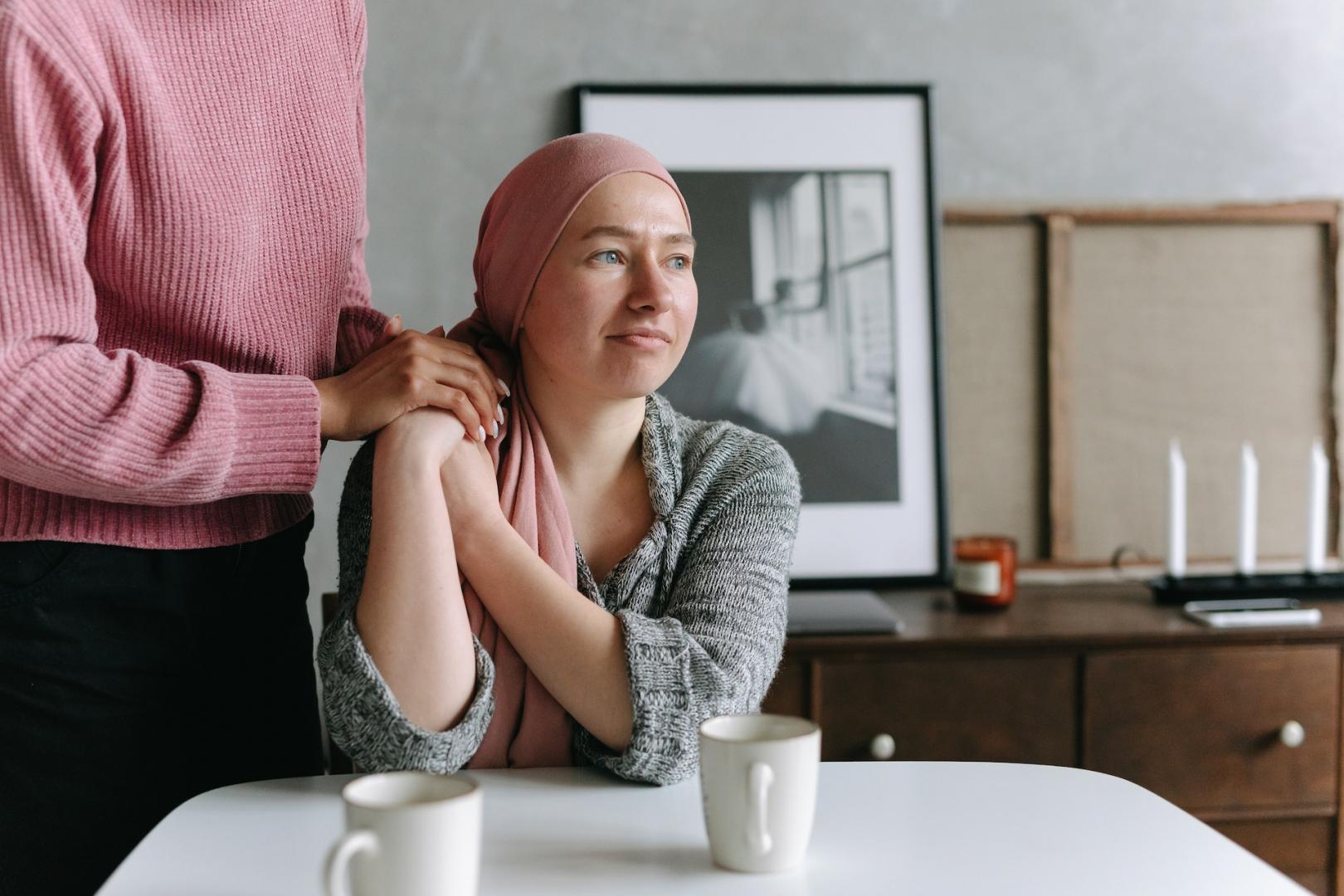
Resources for the psychological support:
– Help line, emotional support of the American Cancer Society.
– Support groups online, such as CancerCare, or Breastcancer.org and of course, we from Morivivi, we offer resources and communities of support for women with cancer.
– Therapists in the treatment of cancer, which can help to address the emotional concerns specific related to the diagnosis and treatment.
In summary, the cancer can have a significant impact on the mental health of women, but with the right support and the coping strategies, it is possible to find ways of managing stress, anxiety, and depression during this difficult process. It is essential to seek help when needed, and remember that you are not alone on this journey.
Nathaly Bosch
Social communicator and Collaborator for Group Morivivi.


